
Home »
Eyelid Surgery (Oculoplastic)
Overview
Oculoplastic surgery (also called ophthalmic plastic surgery) focuses on the delicate structures around the eyes—the eyelids, tear-duct system, orbit (eye socket), and surrounding facial tissue. These procedures protect eye health and vision while enhancing appearance, comfort, and confidence. Dr. Shehan combines microsurgical precision with an artistic focus to create natural-looking, functional results.
Indications
- Visual field obstruction from drooping lids or brow ptosis
- Cosmetic concerns: puffiness, under-eye bags, asymmetry
- Watery, irritated eyes from lid malposition
- Pain, foreign-body sensation, or recurrent infections
- Suspicious or cosmetically bothersome eyelid growths
- Need to improve contact-lens fit or ocular prosthesis comfort
Benefits
- Improved vision and visual comfort
- Younger, rested appearance that still looks like you
- Relief from tearing, burning, or lash-on-eyeball irritation
- Prevents corneal damage and eye infections
- Restoration of symmetry and confidence in photos and daily life
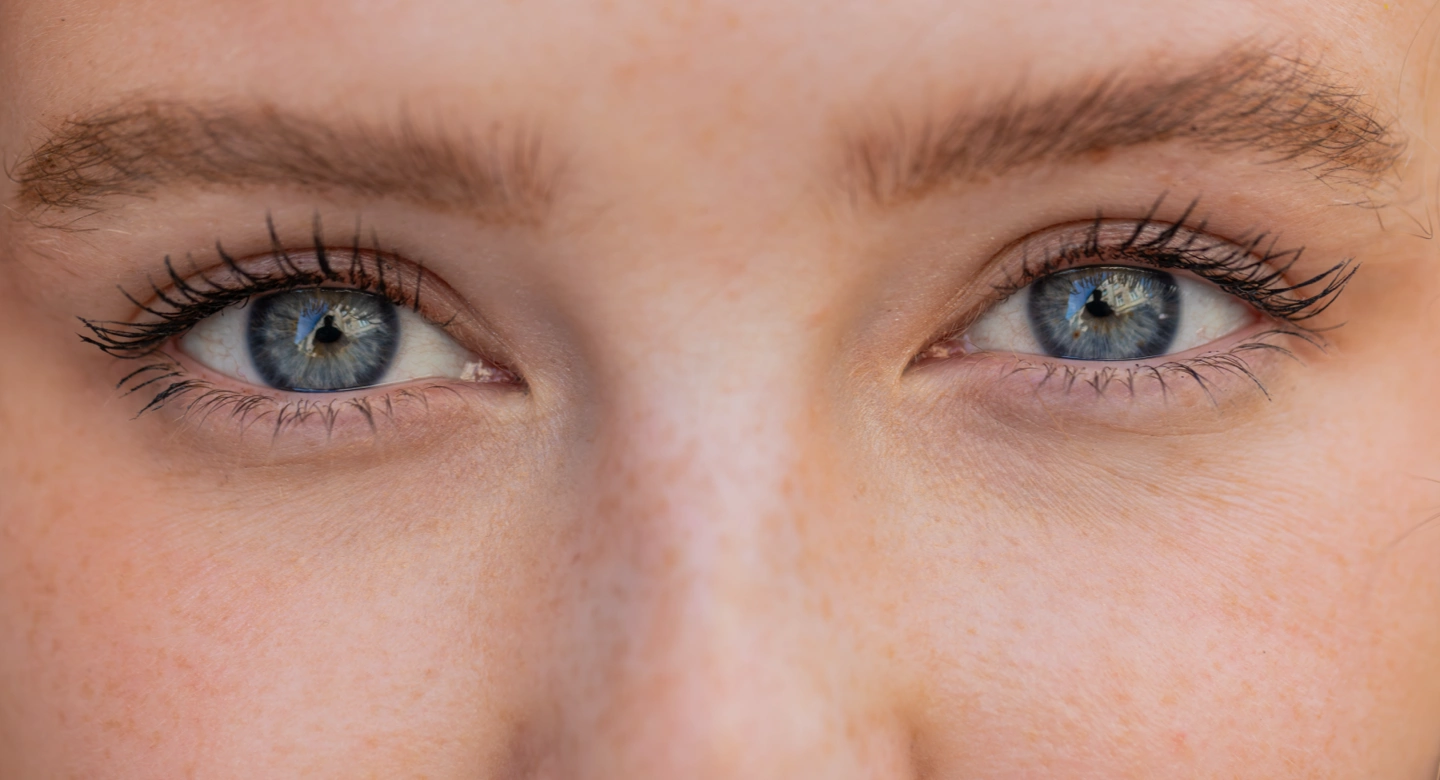
Oculoplastic procedures may be performed in the office or in the operating room depending on the procedure and the patient.
-
-
- Consultation & Imaging – Digital photos and visual-field testing (if applicable) help guide planning.
- Anesthesia – Local anesthesia or general anesthesia for complex cases.
- Surgery – Precise excision or repositioning with ultra-fine instruments and magnification
- Recovery – ointment for 1 week, makeup/contact lenses at ~10 days. Swelling and bruising fade steadily over 2-3 weeks; scars mature over several months.
-
Techniques Used
1) Blepharoplasty (Eyelid Lift)
• Skin-Only Excision: Removes excess skin from the upper eyelids.
• Skin-Muscle Flap: Elevates and removes redundant skin and muscle for a more sculpted lid crease.
• Fat Sculpting or Repositioning: Removes or repositions orbital fat to reduce puffiness or fill hollows (especially in the lower eyelid).
• Transconjunctival Blepharoplasty: Removes fat from inside the lower eyelid, leaving no external scar—ideal for younger patients or minimal skin laxity.
2) Eyelid Malposition Repair (Ectropion/Entropion)
• Lateral Tarsal Strip Procedure: Tightens and repositions a lax lower eyelid.
• Medial Spindle Technique: Corrects inward turning of the lower lid (entropion) near the inner corner.
• Everting Sutures: Simple office-based technique to rotate an entropic lid outward.
• Canthoplasty/Canthopexy: Reshapes or tightens the lateral canthus (outer eyelid corner) for better lid tone and position.
3) Ptosis Repair (Droopy Eyelid)
• Levator Advancement/Resection: Shortens or tightens the levator muscle to elevate the eyelid.
• Müller’s Muscle-Conjunctival Resection (MMCR): Internal eyelid lift used for mild to moderate ptosis with good muscle function.
• Frontalis Sling: Used in cases of poor muscle function (often congenital); connects the eyelid to the forehead muscle.
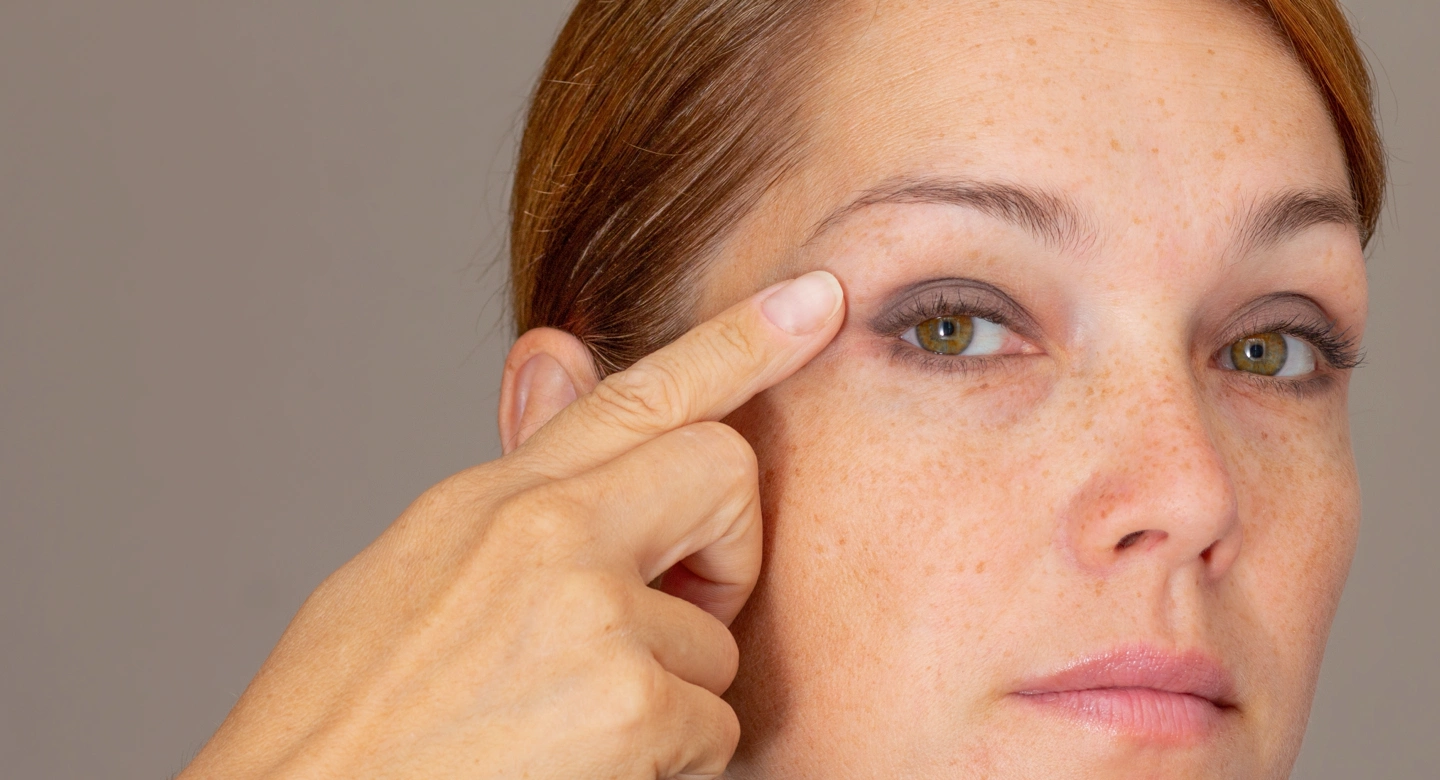
4) Eyelid and Periorbital Lesion Removal
• Shave Excision: For small, superficial benign lesions.
• Full-Thickness Excision with Margins: For suspected or confirmed skin cancers (e.g., basal or squamous cell carcinoma).
• Mohs Surgery Followed by Reconstruction: Cancer is removed via Mohs, and then the defect is repaired using flaps or grafts.
• Reconstructive Flaps: Local tissue is rotated or advanced to repair defects while preserving lid function.
• Skin Grafts: Full-thickness grafts from behind the ear or upper eyelid are used to reconstruct missing tissue.
5) Lacrimal (Tear Duct) Surgery
Dacryocystorhinostomy (DCR): Creates a new tear drainage pathway between the tear sac and the nose.
External DCR: Involves a small incision near the inner corner of the eye.
Endoscopic DCR: Performed through the nose using a scope—no external incision.
Probing and Stenting: Common in pediatric cases or mild obstructions.
6) Orbital Surgery
• Orbital Decompression: Removes bone and/or fat from the eye socket to treat thyroid eye disease (Graves’ orbitopathy).
• Orbital Tumor Removal: Microsurgical excision of benign or malignant growths.
• Orbital Fracture Repair: Reconstruction with implants or grafts following trauma.
7) Cosmetic Adjuncts
• Brow Lift (Direct, Endoscopic, or Temporal): Lifts sagging brows that contribute to upper eyelid heaviness.
• Laser Resurfacing or Chemical Peels: Improves skin texture, tightens crepey skin around the eyes.
• Injectables (Botox, Fillers): Used for non-surgical enhancement or touch-up post-surgery.
Frequently Asked Questions
How long do results last?
Upper-lid blepharoplasty often lasts 10–15 years; lower-lid fat removal is usually permanent. Aging continues, but you’ll always look younger than if you had not had surgery.
Will insurance cover my eyelid surgery?
Insurance may cover upper-lid blepharoplasty or ectropion/entropion repair when visual field loss or medical symptoms are documented. Otherwise, cosmetic upper-lid and lower-lid lifts are usually self-pay.
What is the downtime?
Plan for 5–7 days off work/social events. Exercise and heavy lifting resume at 2–3 weeks.
Is the surgery painful?
Most patients report mild pressure, not pain. Oral analgesics and cold compresses keep discomfort minimal.
Can I combine eyelid surgery with other procedures?
Yes—brow lift, facelift, laser resurfacing, or injectable treatments are often performed in the same session for a comprehensive rejuvenation.
What risks should I know about?
Bleeding, infection, dry eye, asymmetry, or under/overcorrection are rare but possible. A comprehensive conversation with your surgeon should address these concerns.